Yellow snot caught my attention one morning when I woke up feeling heavy and blocked up. I remember standing in front of the mirror, wondering why my mucus had suddenly turned bright yellow.
At first, I thought something serious was wrong, and honestly, it made me anxious. I had been dealing with a cold for a few days, ignoring the tiredness and stuffy nose, hoping it would go away on its own.
But seeing that yellow color made me realize my body was trying to tell me something. I started drinking more water, resting properly, and paying attention to my symptoms instead of brushing them off.
After a few days, I learned that yellow snot is often a sign that the body is fighting an infection, like a cold or sinus problem. That experience taught me how important it is to listen to my body early before small health issues become bigger ones.
What Does Yellow Snot Mean?
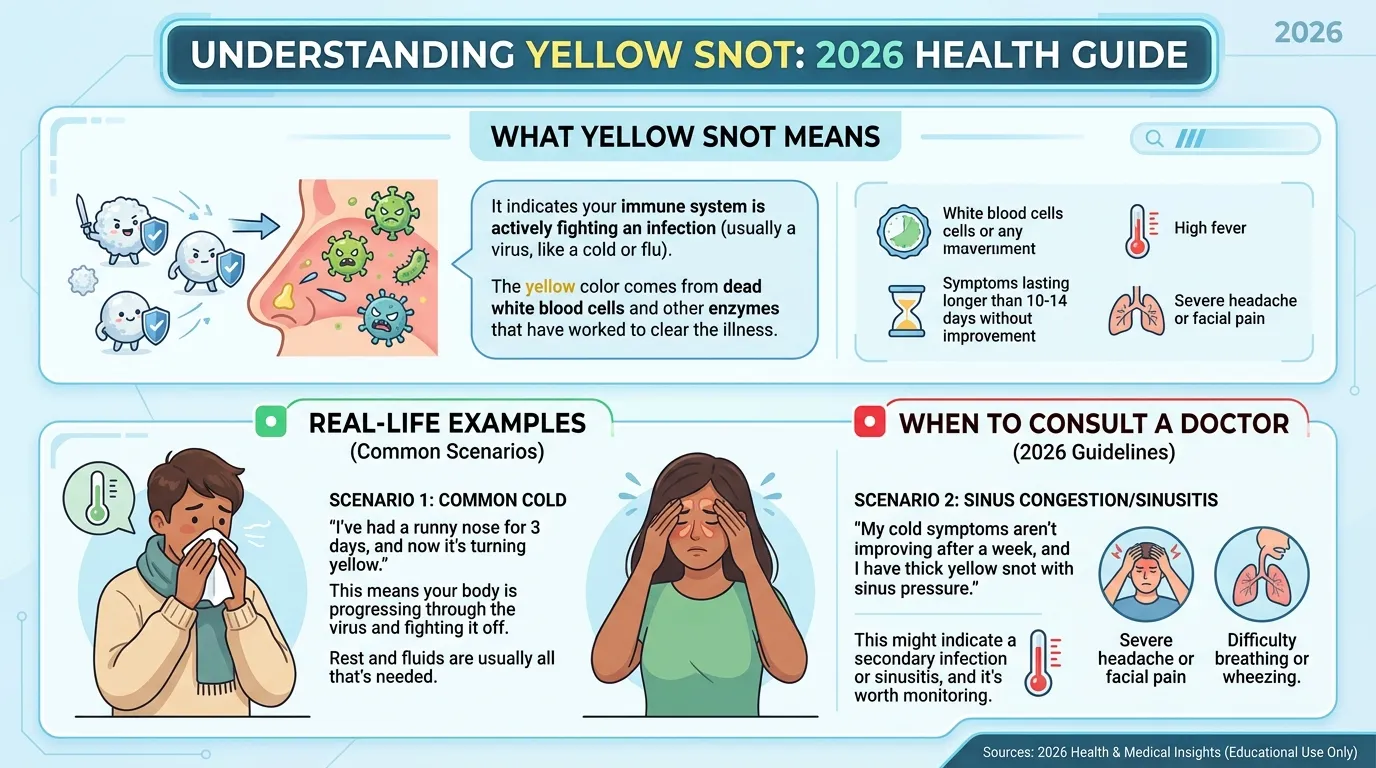
Yellow snot usually means your body is responding to an infection, inflammation, or irritation. The yellow color often comes from white blood cells that your immune system sends to fight germs. After these cells break down, they can change the color of mucus from clear to yellow.
This color change does not automatically mean you have a dangerous illness. In many cases, yellow mucus appears during the middle or later stages of a cold as your body works to recover. It can also happen because of allergies, dry air, or environmental irritants.
The texture of the mucus may also change. Yellow mucus can become thicker than normal, making your nose feel blocked or congested. Sometimes the mucus drains into the throat, causing coughing or throat irritation.
Why Does Snot Change Color?
Mucus changes color depending on what is happening inside your body. Different colors can provide clues about infections, inflammation, or irritation.
Clear Mucus Meaning
Clear mucus is considered normal and healthy. It helps keep the nasal passages moist and traps unwanted particles.
White Mucus Meaning
White mucus often appears when the nasal tissues become swollen or inflamed. It may happen during the early stages of a cold.
Yellow Mucus Meaning
Yellow mucus usually means the immune system is actively fighting germs or irritation.
Green Mucus Meaning
Green mucus can appear when a large number of white blood cells collect in the mucus. It does not always mean a bacterial infection.
Brown or Red Mucus Meaning
Brown or red mucus may contain blood caused by dry nasal passages, irritation, or minor bleeding.
Black Mucus Meaning
Black mucus is uncommon and may result from smoke exposure, pollution, or fungal infections in rare cases.
Common Causes of Yellow Snot
Common Cold
The common cold is one of the biggest reasons people develop yellow mucus. Viral infections irritate the nasal passages and increase mucus production. As your body fights the virus, the mucus may turn yellow.
Common cold symptoms include:
- Sneezing
- Sore throat
- Runny nose
- Mild cough
- Congestion
Yellow mucus during a cold is usually temporary.
Sinus Infection (Sinusitis)
A sinus infection occurs when the sinus cavities become inflamed and filled with mucus. This trapped mucus may turn thick and yellow.
Symptoms of sinus infections include:
- Facial pressure
- Headaches
- Tooth pain
- Nasal congestion
- Fever
- Thick nasal discharge
Sinus infections can be viral or bacterial.
Allergies
Allergies can irritate the nasal passages and cause inflammation. Although allergy mucus is often clear, it may turn yellow if it sits in the nasal passages for a long time.
Common allergy triggers include:
- Pollen
- Dust mites
- Pet dander
- Mold
Flu (Influenza)
The flu can also cause yellow mucus along with more intense symptoms than a common cold.
Flu symptoms may include:
- Fever
- Chills
- Body aches
- Fatigue
- Congestion
- Cough
Dehydration
When your body lacks fluids, mucus becomes thicker and darker. Dehydration can make mucus appear yellow and sticky.
Environmental Irritants
Smoke, chemicals, pollution, and dust can irritate the nose and trigger excess mucus production.
Nasal Polyps
Nasal polyps are soft growths inside the nasal passages that can block mucus drainage and increase the risk of infections.
Bacterial Infections
In some cases, yellow mucus may indicate a bacterial infection, especially when symptoms last longer than 10 days or worsen over time.
Symptoms That May Appear With Yellow Snot
Yellow mucus may appear alongside other symptoms depending on the cause.
Nasal Congestion
Blocked nasal passages are very common with yellow mucus.
Facial Pressure
Sinus inflammation can create pressure around the cheeks, eyes, and forehead.
Headaches
Congestion and sinus pressure may trigger headaches.
Fever
A fever may indicate an infection.
Sore Throat
Mucus dripping down the throat can cause irritation and soreness.
Cough
Postnasal drip often leads to coughing, especially at night.
Fatigue
Your body uses energy to fight illness, which can cause tiredness.
Is Yellow Snot a Sign of Infection?
Yellow mucus can be linked to infections, but not every case means you need antibiotics. Viral infections are far more common than bacterial infections.
A bacterial infection may be more likely if:
- Symptoms last more than 10–14 days
- Fever is high
- Facial pain becomes severe
- Symptoms worsen after initial improvement
Doctors consider multiple symptoms before diagnosing a bacterial infection.
Yellow Snot in Babies and Children
Children commonly develop yellow mucus because their immune systems are still developing.
Is It Normal?
Yes, mild yellow mucus during a cold is usually normal in children.
When Parents Should Worry
Parents should contact a doctor if a child has:
- Difficulty breathing
- High fever
- Severe lethargy
- Symptoms lasting more than two weeks
- Ear pain
Yellow Snot During Pregnancy
Pregnancy hormones can increase mucus production and nasal swelling.
Pregnancy Rhinitis
Many pregnanR women experience congestion even without infection.
Safe Remedies During Pregnancy
Safe options may include:
- Saline nasal sprays
- Humidifiers
- Drinking water
- Rest
Always consult a healthcare provider before taking medications during pregnancy.
Yellow Snot and Allergies
Allergies may sometimes cause yellow mucus because inflammation slows mucus drainage.
Allergy Symptoms
- Sneezing
- Itchy eyes
- Runny nose
- Congestion
Allergy vs Infection
Allergies usually do not cause fever, while infections often do.
Yellow Snot vs Green Snot
Many people believe green mucus is always worse than yellow mucus, but both colors can occur during normal immune responses.
Yellow Mucus
Often appears during earlier immune responses.
Green Mucus
May appear when more immune cells build up.
The color alone cannot confirm how serious an illness is.
How to Treat Yellow Snot at Home
Stay Hydrated
Drinking plenty of fluids helps thin mucus and improve drainage.
Use Steam Inhalation
Warm steam can loosen mucus and reduce congestion.
Try a Humidifier
Humidifiers add moisture to dry air and help soothe irritated nasal passages.
Saline Nasal Rinse
Saline sprays can flush out mucus and allergens.
Rest
Adequate sleep supports your immune system.
Eat Nutritious Foods
Healthy foods rich in vitamins may support recovery.
Avoid Smoking
Smoke irritates the respiratory system and can worsen symptoms.
Medical Treatments for Yellow Snot
Decongestants
These medications may temporarily reduce nasal swelling.
Antihistamines
Helpful for allergy-related mucus.
Nasal Steroid Sprays
These sprays reduce inflammation inside the nose.
Antibiotics
Doctors may prescribe antibiotics if a bacterial infection is confirmed.
When Should You See a Doctor?
You should seek medical care if:
- Symptoms last more than 10–14 days
- You have severe facial pain
- Fever becomes high
- Blood appears in mucus frequently
- Breathing becomes difficult
- Symptoms continue worsening
Can Yellow Snot Be Prevented?
Wash Your Hands
Good hygiene helps prevent viral infections.
Stay Hydrated
Drinking water keeps mucus healthy and thin.
Avoid Allergens
Reduce exposure to dust, pollen, and smoke.
Strengthen Your Immune System
Eat healthy foods, exercise regularly, and get enough sleep.
Myths and Misconceptions About Yellow Snot
“Yellow Snot Always Means Antibiotics”
False. Most yellow mucus is caused by viral infections that do not need antibiotics.
“Colored Mucus Means Serious Illness”
Not always. Color changes are often part of normal immune responses.
“Only Sick People Get Yellow Mucus”
Dry air and allergies can also cause yellow mucus.
(FAQs)
Is yellow snot normal?
Yes, yellow mucus is common during colds and mild infections.
How long does yellow mucus last?
It often improves within several days to two weeks.
Does yellow snot mean a sinus infection?
Sometimes, but not always. Other symptoms are important for diagnosis.
Can allergies cause yellow mucus?
Yes, allergies may lead to yellow mucus because of inflammation and trapped mucus.
Should I take antibiotics for yellow snot?
Antibiotics are only needed for certain bacterial infections.
Why is my snot yellow in the morning?
Mucus can thicken overnight, making it appear darker in the morning.
Is yellow mucus contagious?
The mucus itself is not contagious, but the illness causing it may be.
Conclusion:
Yellow snot is usually a normal sign that your immune system is responding to irritation, allergies, or infection. While it may look concerning, most cases improve naturally with rest, hydration, and simple home remedies.
Understanding the causes and symptoms of yellow mucus can help you manage discomfort and recognize when professional medical care may be needed.
If your symptoms become severe, last longer than expected, or include high fever and breathing problems, it is best to consult a healthcare professional. Otherwise, yellow mucus is often just part of your body’s natural healing process.